
September marks the arrival of Spring here here in Aotearoa (New Zealand). We were however enjoying the end of summer on the old continent, so there’s very little energy being used while we’re getting even more than August from our energy exports to the grid. How did we do?
Some Stats
Here’s some stats for Sep-2026.
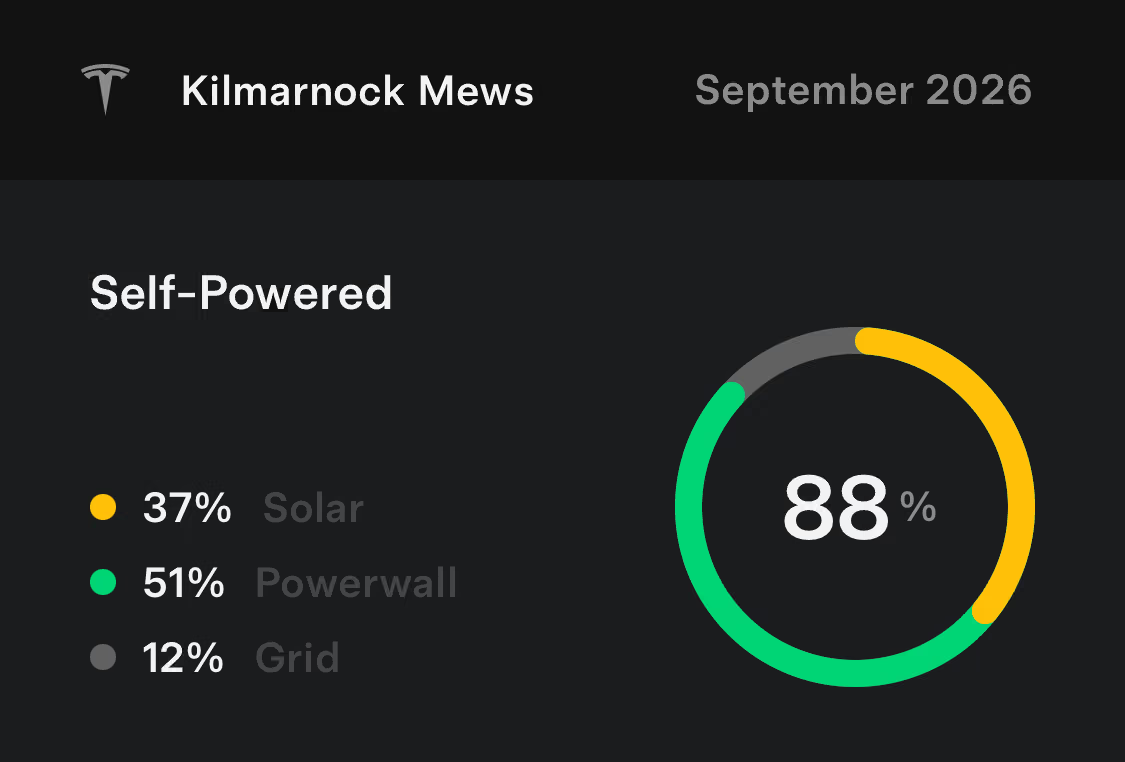
164.7 (from solar) – 37%
223.0 (from battery) – 51%
48.3 (from grid) – 12%
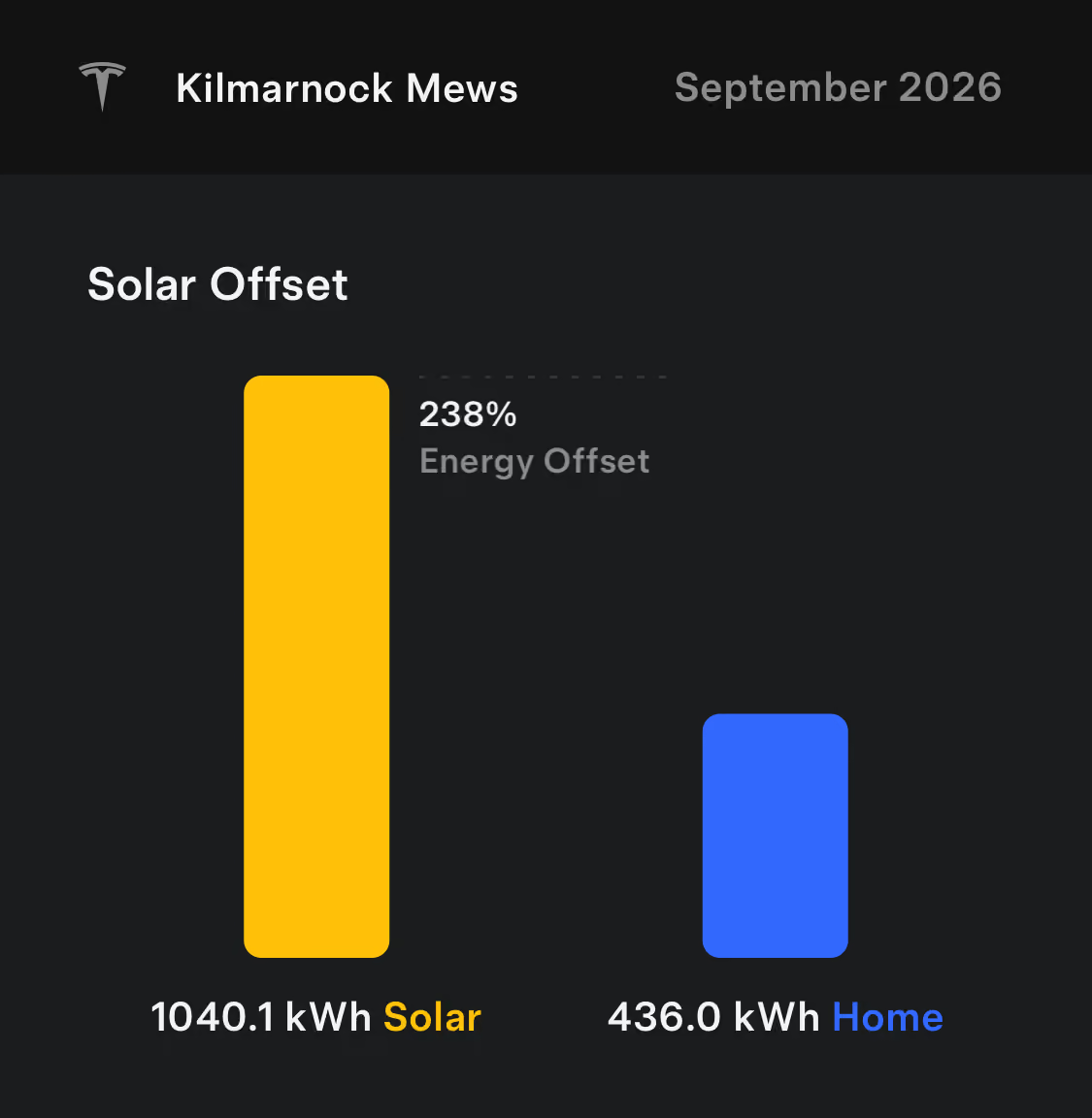
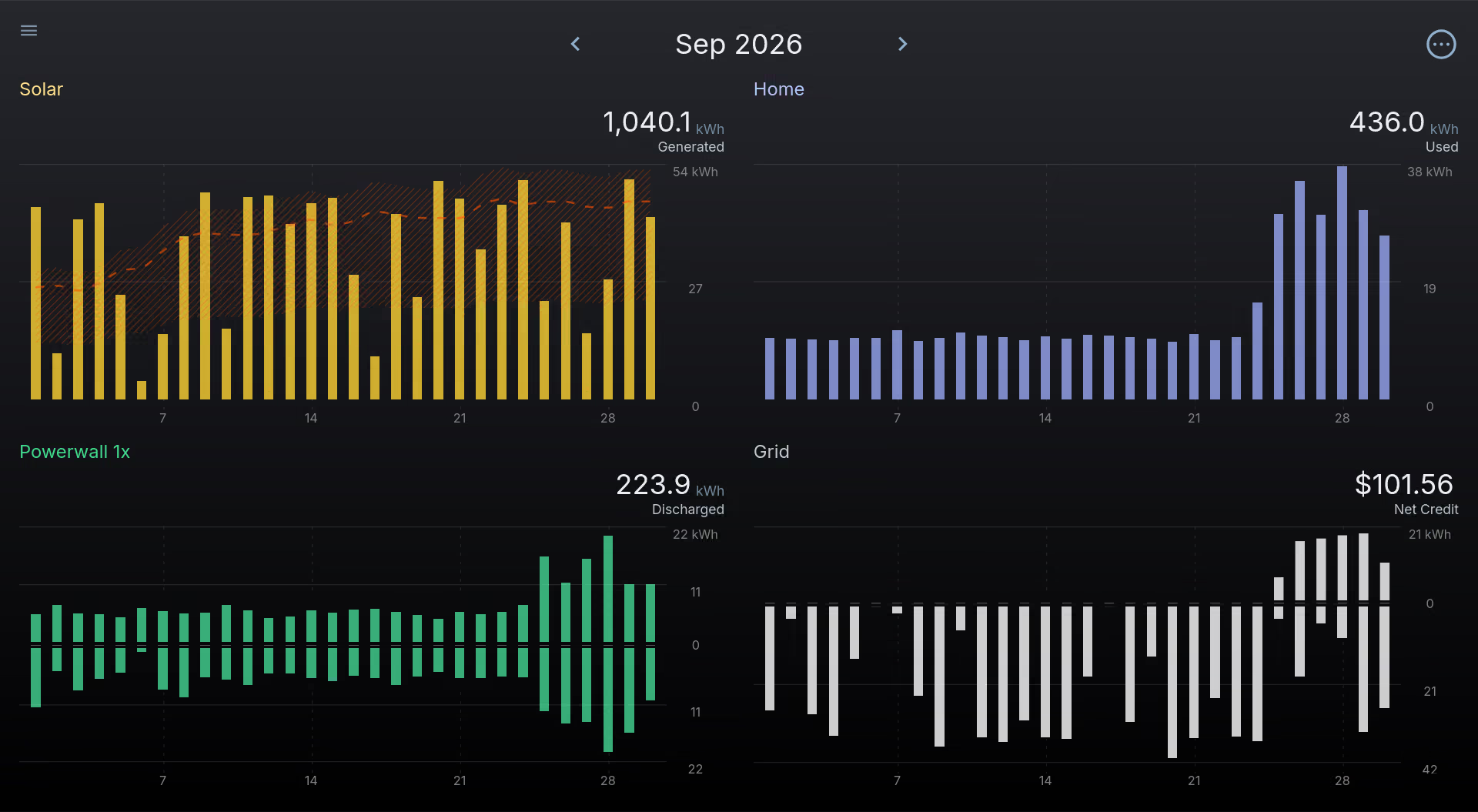
Total: 436.0 kWh
164.7 (to home) – 15%
190.6 (to battery) – 18%
684.8 (to grid) – 67%
Total: 1,040.1 kWh
Charged
190.6 (from solar) – 81%
42.4 (from grid) – 19%
Total: 233.0 kWh
Discharged
223.0 (to home)
0.9 (to grid)
Total: 223.9 kWh
Imported
48.3 (to home) – 53%
42.4 (to battery) – 47%
Total: 90.7 kWh
Time-of-Use Breakdown
77.5 Super Off-Peak – 85%
3.9 Off-Peak – 4%
9.3 Partial Peak – 10%
0.1 Peak – 1%
Total Import Cost: $20.23
Exported
684.8 (from solar)
0.9 (from battery)
Total: 685.7 kWh
Time-of-Use Breakdown
0.1 Super Off-Peak
0.1 Off-Peak
444.1 Partial Peak – 65%
241.5 Peak – 35%
Total Export Credit: $121.79
Net Charge: -$101.56
Daily Charge (30 days): $48.60
Total Charge Expected: -$52.96
Actual Charge Billed: -$77.30
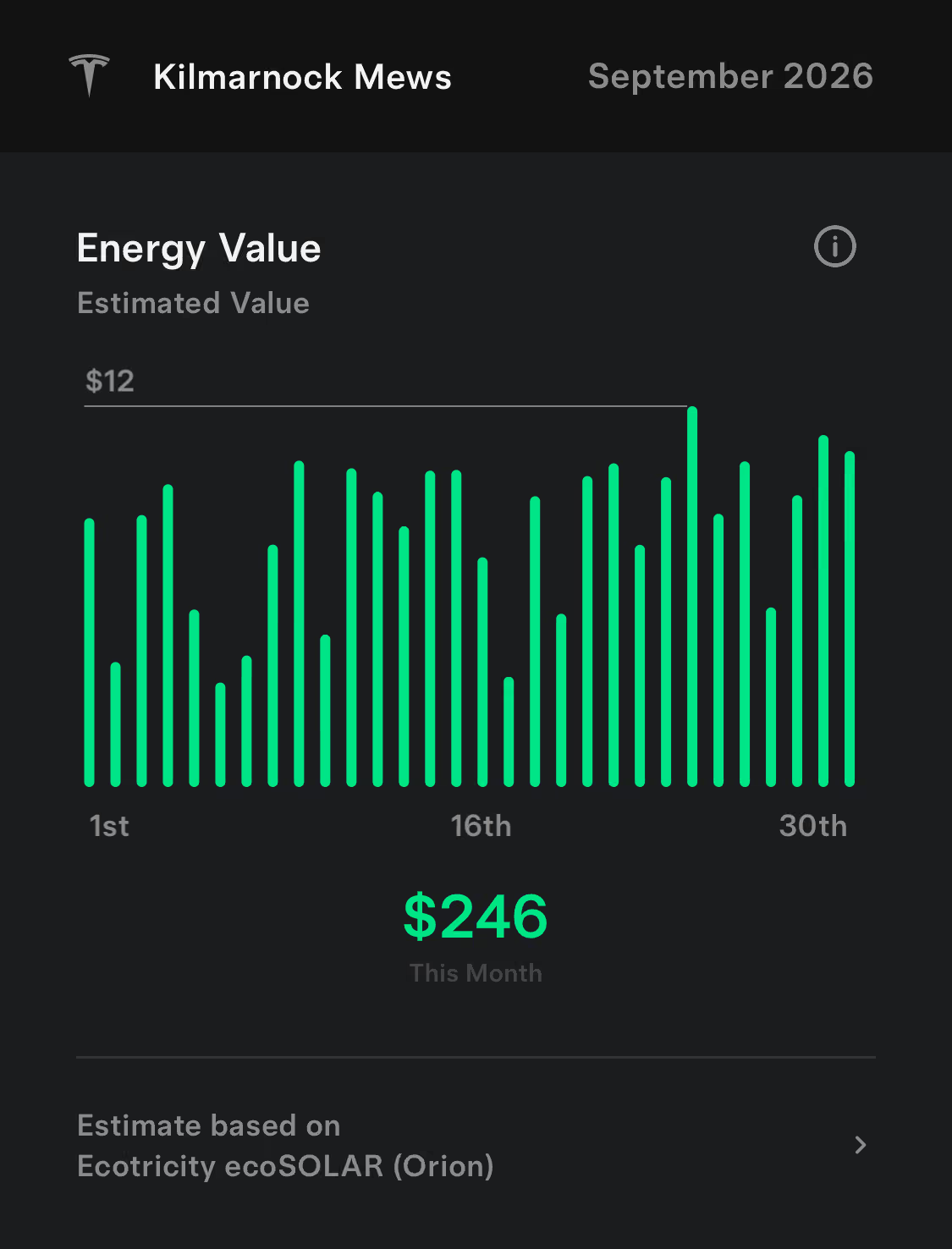
Savings from the solar & battery system as estimated by the manufacturer: $246
Graphs & Charts
Findings
This is our first month where we don’t have an electricity bill from the power company… although we cheated because we weren’t home most of the month!
This is also when the gap between the estimate and actual bill widens. There is reason for this…
Ecotricity separates out and charges “line losses” as part of the bill, where a lot of the other providers bundle them into their pricing, and since “line losses” amounts are not accounted for in my home system, I can’t really account for it.
As a workaround, I calculated the export amount as if I am not getting the GST component. It seems to work pretty well in the last few months, but not quite this month as I’ve exported heaps but imported very little.
In any case, it’s always nice to have more credit than expected, no? 🙂